We Use CookiesWe use cookies to enhance the security, performance, functionality and for analytical and promotional activities. By continuing to browse this site you are agreeing to our privacy policy

10 Best Smart Vents Hvac 2026 in the United States
How do we rank products for you?

Our technology thoroughly searches through the online shopping world, reviewing hundreds of sites. We then process and analyze this information, updating in real-time to bring you the latest top-rated products. This way, you always get the best and most current options available.

headphones-stars

Our Top Picks

#1

Winner

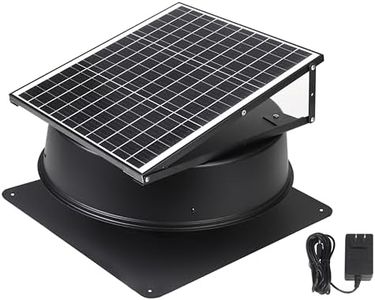
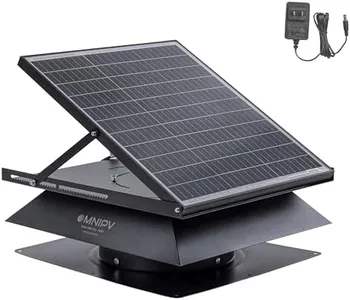
OmniPV Solar Attic Fan, 40 W, 1600 CFM Large Air Flow Solar Roof Vent Fan, Low Noise and Weatherproof with 110V Smart Adapter, Ideal for Home, Greenhouse, Garage, Shop, RV, Workshop etc.

Rating
10.0
Chosen by1,442
Size and Fit
Power Source
Noise Level

Most important from
65 reviews

Size and Fit
Installation is straightforward and hassle-free, making setup quick and easy.
Power Source
The dual power capability with both solar and plug-in options offers versatile and reliable operation.
Noise Level
The solar-powered motor runs quietly yet powerfully, impressing even professional electricians.

The OmniPV Solar Attic Fan is designed to help reduce heat buildup in attics and large spaces like garages or workshops using solar power, which means it doesn’t rely on electricity from your home. Its 40-watt solar panel powers a quiet brushless motor that moves a strong 1600 cubic feet of air per minute, making it efficient at cooling large areas. The built-in thermostat adds convenience by automatically turning the fan on or off based on the attic temperature, so you don’t need to control it manually.

Its weather-resistant materials, including an aluminum alloy body and waterproof solar panel, make it well-suited for outdoor use, even in coastal or harsh environments. Installation is flexible with various mounting options, fitting a range of roof types and vent spaces. At 22 inches square, it’s a compact size that fits most standard attic openings.

This fan requires sunlight to operate, so it may not run well on cloudy days or at night. It does not include batteries, meaning it won’t work without direct solar input or the 110V adapter when the sun isn’t strong. This fan is a strong option for those seeking an energy-saving, easy-to-install attic ventilator that performs well in sunny conditions and helps protect your home by reducing attic heat.

Rating
10.0
Chosen by1,442
Size and Fit
Power Source
Noise Level

Most important from
65 reviews

Size and Fit
Installation is straightforward and hassle-free, making setup quick and easy.
Power Source
The dual power capability with both solar and plug-in options offers versatile and reliable operation.
Noise Level
The solar-powered motor runs quietly yet powerfully, impressing even professional electricians.
#2

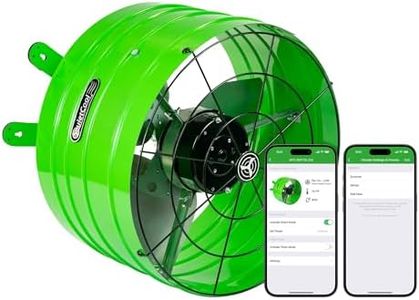
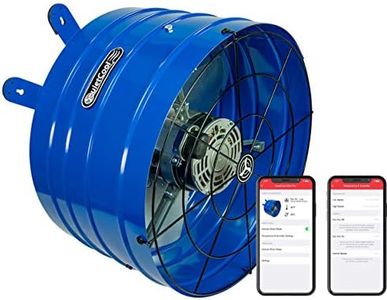
Quietcool AFG SMT ES-3.0 Smart Attic Fan for Gable Vents - Up to 2801 CFM - As low as 22 Watts - Smart App Control - Thermostat and Humidistat - 20ft Power Cord - Plug-and-play - Three Speed

Rating
9.7
Control Options
Sensors and Automation
Power Source

Most important from
570 reviews

Control Options
Connecting the fan to my phone via Bluetooth was simple and provided easy control over the fan’s settings.
Sensors and Automation
With the smart control features, the fan adjusts automatically based on temperature and humidity levels, providing hands-off management and efficient operation.
Power Source
The installation was straightforward; simply tapping into an existing electrical wire and following the clear instructions made the setup easy.
Noise Level
The QuietCool AFG SMT-3.0 is incredibly quiet, even when running at top speed, making only a small rumbling sound that resembles white noise.

The Quietcool AFG SMT ES-3.0 Smart Attic Fan is designed for gable vents and stands out due to its smart app control, which allows users to automate fan operation based on thermostat and humidistat readings. This makes it an excellent choice for those who prefer hands-off management of their attic ventilation system. The fan's high airflow capacity of up to 2801 CFM ensures effective ventilation, while its three-speed, brush-free Electronically Commutated Motor (ECM) promises quiet operation and energy efficiency with wattage as low as 22 watts on low speed.

Additionally, the plug-and-play design simplifies installation by eliminating the need for complex wiring, which is beneficial for users who might not be familiar with electrical setups. The built-in mounting tabs with anti-vibration pads contribute to a stable and quiet operation, which is a key consideration for those sensitive to noise levels. However, the size of the fan (20 x 12 x 20 inches) means it may require sufficient attic space, which might be a constraint for smaller homes. Also, while the smart control features are advanced, users must be comfortable using a smartphone app to take full advantage of this functionality.

The power source being AC is standard, but having a 20ft power cord offers flexibility in placement within the attic space. This attic fan is best suited for homeowners looking for a reliable, efficient, and technologically advanced solution for attic ventilation.

Rating
9.7
Control Options
Sensors and Automation
Power Source

Most important from
570 reviews

Control Options
Connecting the fan to my phone via Bluetooth was simple and provided easy control over the fan’s settings.
Sensors and Automation
With the smart control features, the fan adjusts automatically based on temperature and humidity levels, providing hands-off management and efficient operation.
Power Source
The installation was straightforward; simply tapping into an existing electrical wire and following the clear instructions made the setup easy.
Noise Level
The QuietCool AFG SMT-3.0 is incredibly quiet, even when running at top speed, making only a small rumbling sound that resembles white noise.
#3

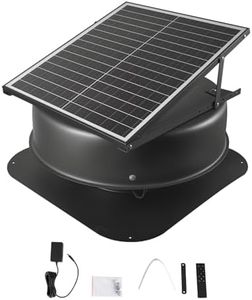
VEVOR Solar Attic Fan, 42 W, 2800 CFM Large Air Flow Solar Roof Vent Fan, Low Noise and Weatherproof with 110V Smart Adapter, Ideal for Home, Greenhouse, Garage, Shop, RV, FCC Listed

Rating
9.7
Compatibility
Size and Fit
Sensors and Automation

Most important from
59 reviews

Compatibility
This fan pumps air so effectively it may require adjusting other vents to optimize airflow from soffit vents.
Size and Fit
Robust build quality with a separate base and flashing simplifies installation and allows for secure fitting.
Sensors and Automation
The built-in thermostat automatically activates the fan around 79°F, maintaining attic temperature without manual control.
Power Source
The 42W solar panel with MPPT technology efficiently powers the fan but lacks a built-in battery, causing the fan to slow or stop under shadows or cloudy conditions.
Noise Level
The fan’s size and noise level require consideration, especially if installed near living spaces, but its performance justifies these factors.

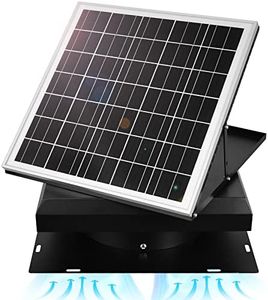
The VEVOR Solar Attic Fan is a powerful ventilation solution designed to reduce attic heat and lower cooling costs using solar energy. It delivers a strong airflow of 2800 CFM, which is effective for attics up to 1000 square feet. Its 42W solar panel with MPPT technology maximizes sun exposure, making it energy-efficient and eco-friendly. The fan is compatible with both metal and masonry roofs, and the adjustable solar panel angles help improve sunlight capture.

A smart temperature and humidity sensor automatically turns the fan on or off around 26°C, maintaining comfortable attic conditions without manual effort. Additionally, it features a smoke detection safety function and can switch to electric power at night or during cloudy weather using a 110V smart adapter, ensuring continuous operation. Control is convenient with a remote that works from almost 10 meters away, allowing easy adjustments.

The fan runs at about 60 dB, which is moderately noisy—something to consider if your attic is close to living spaces. The size requires a 14-inch cutout, so you’ll need to ensure it fits your existing roof vent opening or be prepared for installation adjustments. Since it’s solar-powered, it doesn’t rely solely on electricity, but the included electric adapter adds reliability. This fan is suitable for homeowners seeking a cost-effective, automated attic ventilation system that works well with solar power and offers safety features, though noise and fit should be checked before purchase.

Rating
9.7
Compatibility
Size and Fit
Sensors and Automation

Most important from
59 reviews

Compatibility
This fan pumps air so effectively it may require adjusting other vents to optimize airflow from soffit vents.
Size and Fit
Robust build quality with a separate base and flashing simplifies installation and allows for secure fitting.
Sensors and Automation
The built-in thermostat automatically activates the fan around 79°F, maintaining attic temperature without manual control.
Power Source
The 42W solar panel with MPPT technology efficiently powers the fan but lacks a built-in battery, causing the fan to slow or stop under shadows or cloudy conditions.
Noise Level
The fan’s size and noise level require consideration, especially if installed near living spaces, but its performance justifies these factors.

Buying Guide for the Best Smart Vents Hvac

When it comes to picking the right smart vents for your HVAC system, it's important to understand how these devices can improve your home's comfort and energy efficiency. Smart vents allow you to control the airflow in different rooms, ensuring that each space is heated or cooled according to your preferences. This can lead to a more balanced temperature throughout your home and potentially lower energy bills. To make an informed decision, you need to consider several key specifications that will determine how well the smart vents will meet your needs.
CompatibilityCompatibility refers to whether the smart vent can work with your existing HVAC system and smart home ecosystem. This is crucial because not all smart vents are designed to work with every type of HVAC system or smart home platform. To navigate this, first check the type of HVAC system you have (e.g., central air, ductless, etc.) and ensure the smart vent is compatible with it. Additionally, if you use a smart home platform like Alexa, Google Home, or Apple HomeKit, make sure the smart vent can integrate with it. Picking the right one involves verifying these compatibility aspects to ensure seamless operation and control.
Size and FitSize and fit refer to the dimensions of the smart vent and how well it will fit into your existing vent openings. This is important because a vent that doesn't fit properly can lead to air leaks and reduced efficiency. To navigate this, measure the dimensions of your current vents (length, width, and depth) and compare them to the smart vent's specifications. Smart vents typically come in standard sizes, but it's essential to double-check. Picking the right one involves ensuring the smart vent matches your vent openings for a snug and effective fit.
Control OptionsControl options refer to the different ways you can manage and adjust the smart vent settings. This is important because it affects how easily you can use the device to control airflow and temperature. Common control options include smartphone apps, voice commands, and integration with smart thermostats. To navigate this, consider how you prefer to control your smart home devices. If you like using your phone, look for a smart vent with a robust app. If you prefer voice commands, ensure it supports your voice assistant. Picking the right one involves choosing a smart vent with control options that match your usage habits.
Sensors and AutomationSensors and automation refer to the smart vent's ability to detect room conditions and adjust airflow automatically. This is important because it can enhance comfort and energy efficiency by responding to real-time changes in temperature, occupancy, and air quality. To navigate this, look for smart vents with built-in sensors for temperature, humidity, and occupancy. Some models also offer advanced features like learning algorithms that adapt to your preferences over time. Picking the right one involves selecting a smart vent with the level of automation and sensor capabilities that align with your comfort and efficiency goals.
Power SourcePower source refers to how the smart vent is powered, which can affect installation and maintenance. This is important because different power sources have different implications for convenience and reliability. Common power sources include batteries, hardwiring, or even solar power. To navigate this, consider the ease of installation and how often you are willing to replace or recharge batteries. Battery-powered vents are easier to install but require regular maintenance, while hardwired options are more permanent but may need professional installation. Picking the right one involves choosing a power source that fits your installation preferences and maintenance willingness.
Noise LevelNoise level refers to the amount of sound the smart vent produces during operation. This is important because excessive noise can be disruptive, especially in quiet environments like bedrooms or offices. To navigate this, check the manufacturer's specifications for noise levels, often measured in decibels (dB). Lower decibel ratings indicate quieter operation. Picking the right one involves considering where the vent will be installed and choosing a model with a noise level that won't disturb the peace in that particular room.

FAQ